
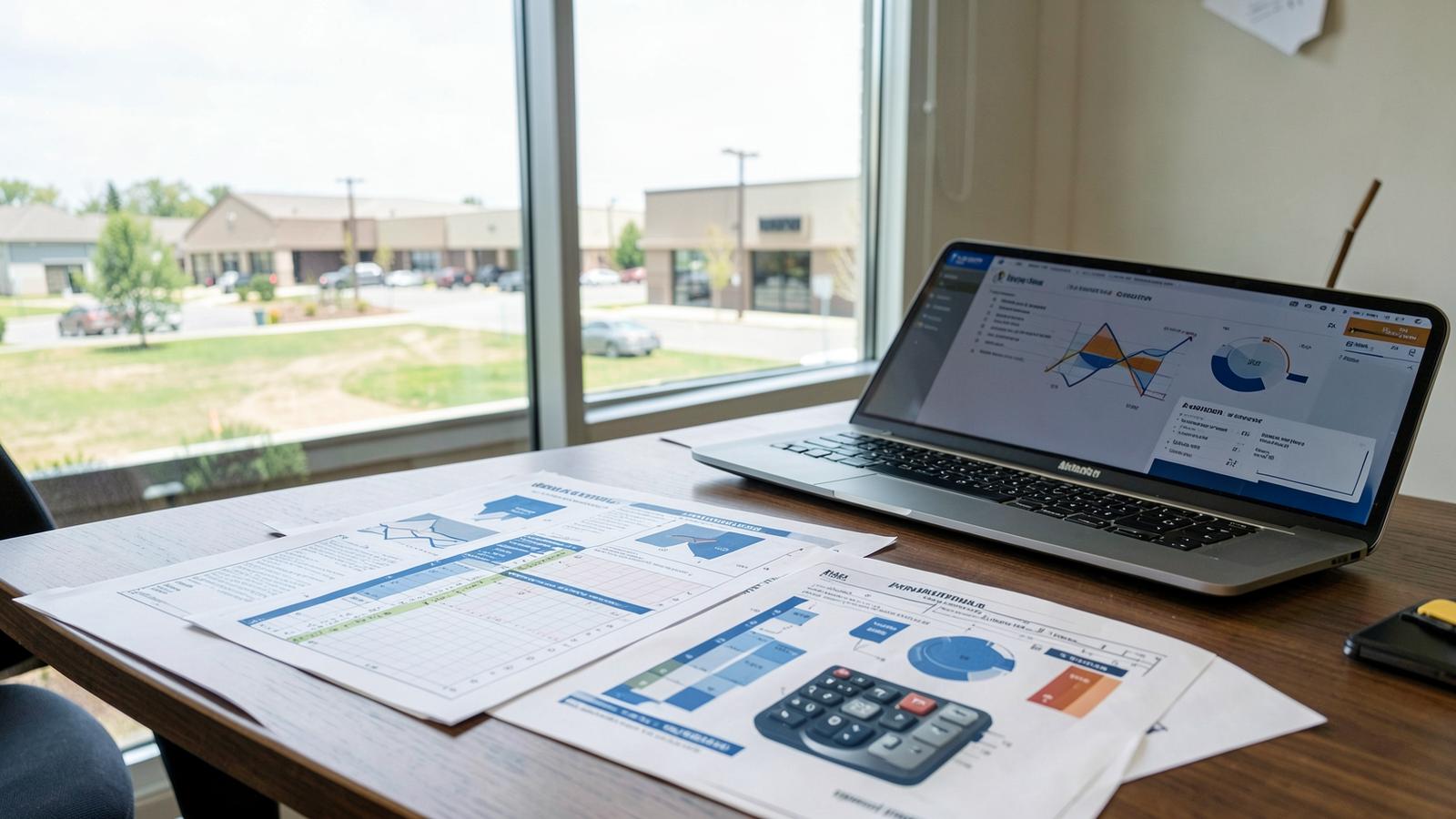
The multi-property CapEx budgeting framework.
How to balance HVAC, exterior envelope, and staggered roof lifecycles across a portfolio — without a spend spike that blows up a fiscal year.

White Paper
by John Lee, P91 Owner
Commercial & multi-family roofing, greater Houston
Most portfolio capital plans fail the same way: three roofs reach the end of their life in the same budget year, HVAC replacements pile on top of that, and ownership is asked to approve a number nobody planned for. The fix isn't a bigger reserve fund. It's scheduling: knowing how much life is left in every major system, then deliberately spacing out replacement dates so yearly spending stays steady. This framework is what we walk property managers through across The Woodlands, Spring, Conroe, and greater Houston.
 P91 Zero-Leak Guarantee
What we deliver
- A list of every building's roof age, system type, and remaining life
- Replacement cost estimates that account for rising material and labor costs
- A schedule so no single fiscal year has to absorb two major replacements
- Restoration and coating used on purpose to shift spending to a later year
- Insurance savings included in the budget, not treated as an afterthought
- Documentation standards that back up warranty and insurance claims
Step 1: Build the asset inventory before the budget
A capital plan is only as good as the condition data behind it. For each building, record the roof system type, install date, warranty terms, whether the warranty transfers, any repair history, and a current condition rating from a real inspection. Age alone doesn't tell you much in this climate. Two identical roofs installed the same week can be eight years apart in remaining life, depending on drainage, hail exposure, and how well they've been maintained.
Step 2: Convert remaining life into an annual reserve contribution
Take today's replacement cost, adjust it for the projected replacement year, and divide by the years of service life the roof has left. That number, not a flat percentage of gross revenue, is the honest yearly contribution for that roof. Do this for every roof in the portfolio, and the total is your roofing reserve line. Apply the same method to HVAC, parking surfaces, and the rest of the building exterior. The combined numbers show you which years will have multiple big expenses at once.
Step 3: Stagger the collisions deliberately
Once you see a year with two roof replacements plus a chiller replacement, you have options. You can move the weaker roof's replacement up a year while pricing is still known, or extend the stronger one with a coating restoration and push it out two to four years. Both are reasonable choices. What's not reasonable is discovering the problem the year it happens, when your only option left is emergency spending.
Step 4: Treat roofing and HVAC as one envelope decision
Rooftop HVAC units, curbs, and the openings around them are part of the roof. Replacing HVAC units on an aging roof means paying twice for the same flashing work, and it often voids part of your roof warranty. When an HVAC replacement is due within about three years of a planned roof replacement, do the roof first or combine the two projects. Doing them together is almost always cheaper than doing them separately.
Step 5: Model the insurance consequence
Insurance carriers now price heavily based on roof age and material, and some have shifted to paying only actual cash value, or won't renew policies past a certain roof age. That means putting off a roof replacement can raise your premiums and lower what you'd recover on a claim, at the same time. This is a real cost that belongs in your budget model. On the other hand, impact-resistant materials and a documented maintenance program can earn discounts that help pay for the work.
Step 6: Document so the plan survives a personnel change
Keep install dates, warranty documents, yearly inspection reports with photos, every repair invoice, and storm-event records in one file per building. This is what backs up a warranty claim, supports an insurance settlement, and lets the next manager pick up the plan instead of starting over. P91 provides yearly condition reports and video-verified documentation in exactly this format, and our workmanship warranty runs 5 years with no transfer restrictions.
FAQ
How much of a property CapEx budget should be reserved for roofing?+
On most multi-family and light commercial properties, the roof makes up 15-25% of long-term capital reserves, second only to heating and cooling (HVAC) systems. The right number comes from dividing the replacement cost by how many years the roof has left, not a flat percentage. A 6-year-old roof and a 19-year-old roof in the same portfolio shouldn't get the same yearly reserve amount.
What is a roof reserve study and how often should it be updated?+
A reserve study lists every roof, estimates how much life each has left and what it will cost to replace, and turns that into a yearly funding amount. Update this data every two to three years, and right after any major hail or wind event, because one storm can cut a roof's remaining life by ten years.
How do you stagger roof replacements across a portfolio?+
Group roofs by how much life they have left, then schedule replacements so no more than one or two fall in the same fiscal year. If two buildings would otherwise need replacement in the same year, restoring or coating the stronger roof can buy two to four more years and push it into the next cycle. The goal is steady yearly spending, not the perfect replacement date for each roof.
Should roof work be capitalized or expensed?+
Generally, a full replacement or an improvement that extends the roof's life is capitalized and depreciated over time, while routine repairs and maintenance are expensed right away. Coating restorations often count as capital improvements. Check with your accountant, since how the work is scoped and documented affects which category it falls into.
How does roof condition affect insurance costs and coverage?+
Insurance carriers increasingly price policies based on roof age and material. Some carriers now pay out only actual cash value, or refuse to renew policies on roofs past a certain age. Documented maintenance and impact-resistant materials can help you keep full replacement-cost coverage and earn premium discounts. Include these savings in your capital budget model.
What documentation should property managers keep for each roof?+
Keep the install date and system type, warranty terms, whether the warranty transfers to a new owner, yearly inspection reports with photos, every repair invoice, and storm-event records. This file is what backs up a warranty claim, supports an insurance settlement, and justifies a replacement request to ownership.
Planning a commercial roof project?
We'll give you an assessment, a written condition report, and a budget plan you can take to ownership. Our crews are fully insured, and every job has a 5-year workmanship warranty.