
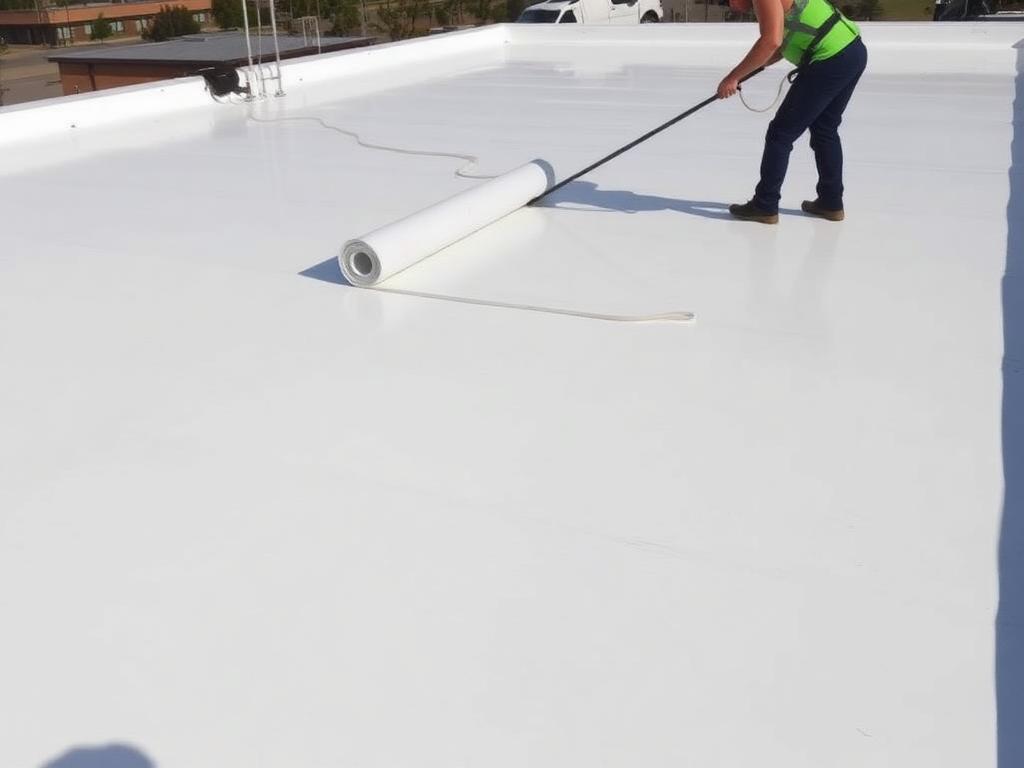
Commercial roof coatings and restoration.
Extend the life of a sound existing roof with a silicone or acrylic coating system — before a full replacement is the only option left.
Not every aging commercial roof needs a full tear-off. If the membrane is still structurally sound and the deck is dry, a liquid-applied coating system can add years of service life at a fraction of replacement cost. The key is knowing which roofs qualify and which coating chemistry fits the building's drainage and exposure.
 P91 Zero-Leak Guarantee
What we deliver
- Silicone coatings for roofs with drainage or ponding concerns
- Acrylic coatings for well-drained, budget-sensitive projects
- Moisture survey before we recommend any coating scope
- Pressure washing, repairs, and fabric reinforcement before coating
- Minimal noise and no demolition debris for occupied buildings
- Restoration billing structured to defer larger capital replacement
Silicone vs. acrylic: choosing the right chemistry
Silicone coatings hold up under standing water and prolonged UV exposure without softening, which makes them the right call for roofs with any ponding history or drainage limitations — a common condition on older flat roofs in this region. Acrylic coatings cost less and perform well on roofs with good slope and reliable drainage, but they're more prone to degrade under standing water. We base the recommendation on an actual drainage assessment of your roof, not a default answer.
Determining whether a roof qualifies for restoration
Coating restoration only makes sense on a roof that's structurally sound, properly attached, and free of widespread wet insulation. We run a moisture survey and a visual inspection of seams, flashings, and membrane condition before recommending a coating scope. If the survey finds significant wet insulation or membrane failure, we say so directly — coating over a failing roof just delays a replacement decision while adding cost.
Surface prep, dry mil thickness, and reinforcement
Prep work is most of what determines whether a coating job holds up: pressure washing, treating biological growth, repairing blisters and cracks, and reinforcing seams and detail work with fabric where needed. Coating is applied to a specified dry mil thickness (DFT) — spraying it too thin to save material is a common corner-cutting move that shows up as an early failure. We measure and document DFT as part of quality control on every job.
Service life extension and recoat cycles
A properly specified and applied coating system typically adds 10-15 years of service life to a qualifying roof, depending on substrate condition and coating thickness. This is a restoration strategy, not a permanent fix — most coating systems are designed to be recoated on a maintenance interval to keep extending the roof's life further, which we can build into an ongoing maintenance program.
Minimizing tenant disruption and phasing the work
Coating restoration generates far less noise and no demolition debris compared to tear-off and replacement, which matters for occupied retail, office, or multi-family buildings. We can phase coating work by roof section across a portfolio, aligning the schedule and billing with a property's reserve fund and fiscal year planning.
FAQ
What's the difference between silicone and acrylic roof coatings?+
Silicone coatings resist ponding water and UV degradation extremely well and hold up in wet climates like Houston without softening, which makes them the stronger choice on roofs with any drainage issues. Acrylic coatings cost less and perform fine on well-drained roofs with good slope, but they can soften or degrade faster under standing water. We recommend the coating type based on the roof's actual drainage condition, not just budget.
Is my roof a candidate for a coating restoration, or does it need a full replacement?+
A coating restoration works when the existing membrane or roof surface is structurally sound, adequately attached, and free of widespread wet insulation. We check this with a moisture survey and visual inspection before recommending a coating — coating over a wet or failing roof only delays a necessary replacement and adds cost without solving the underlying problem.
How long does a roof coating system last?+
A properly applied silicone or acrylic coating system commonly extends a roof's service life by 10-15 years, depending on substrate condition, coating thickness (measured in dry mil thickness, or DFT), and ongoing maintenance. Coatings are a restoration strategy, not a permanent one — recoating on a maintenance cycle is typically required to keep extending the roof's life.
What surface preparation happens before a coating is applied?+
We pressure wash the roof, treat any biological growth, repair blisters, cracks, and seam issues, and in some cases install a reinforcing fabric at seams, flashings, and detail work before the coating goes on. Coating applied over a dirty or unrepaired surface won't bond properly and will fail early — prep work is most of what determines whether a coating job succeeds.
Does a coating restoration disrupt building operations?+
Far less than a tear-off and replacement. Coating work generates minimal noise, no demolition debris, and can often be phased by roof section so the building keeps operating. This is a major reason property managers choose restoration over replacement when the underlying roof qualifies.
How is a coating project billed for capital planning purposes?+
Because coating restoration is significantly less expensive than a full replacement, it's often used as a capital planning tool to defer a bigger reroofing expense to a later budget cycle. We can quote and phase coating work by building or by roof section to match an ownership group's fiscal year and reserve fund planning.
Planning a commercial roof project?
Assessment, condition report, and a phased budget you can take to ownership. Fully insured crews, 5-year workmanship warranty.